IT
for
the
office
and
the
floor,
on
one
engagement.



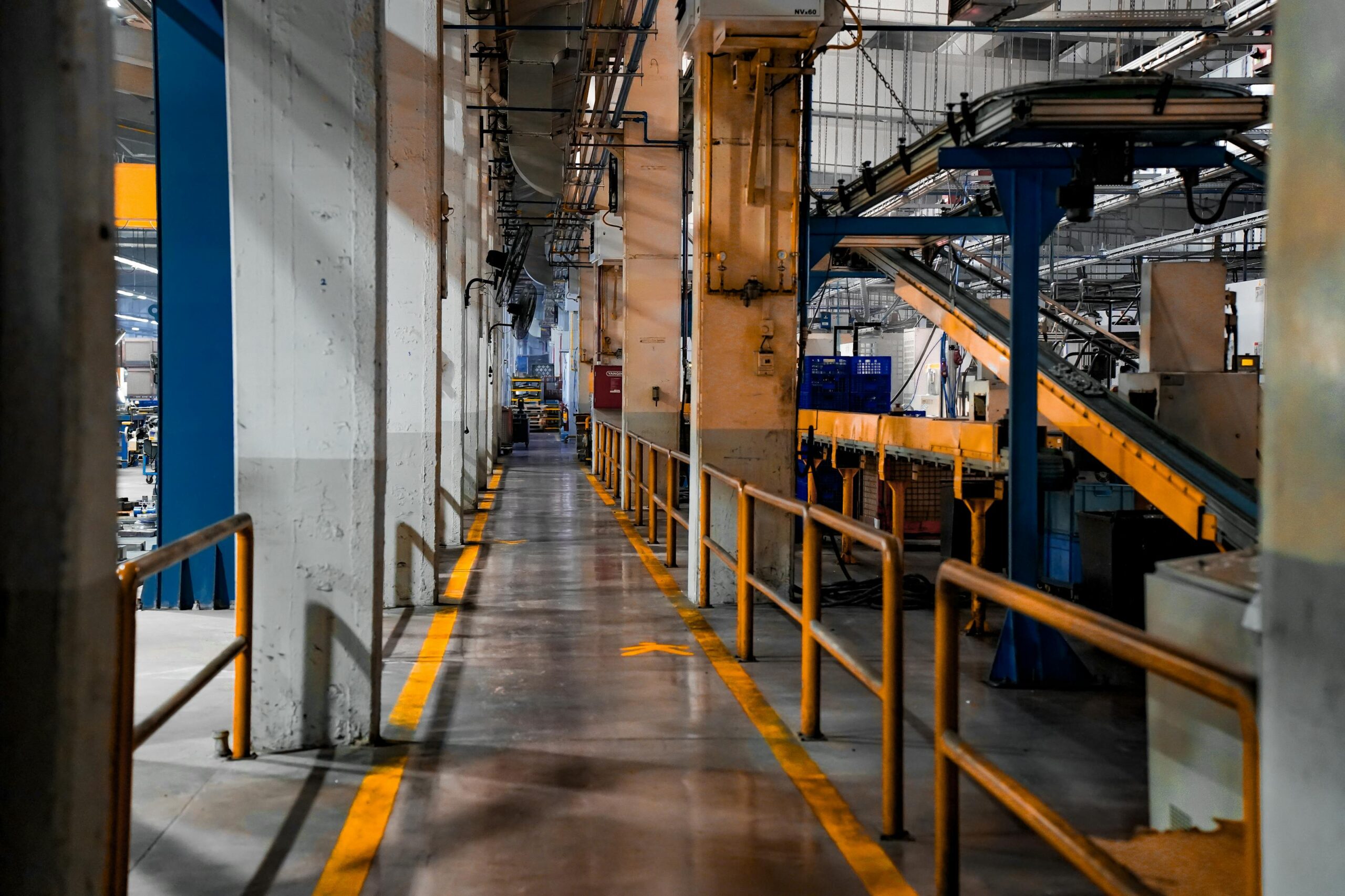
A manufacturer is two businesses sharing one set of buildings. The office side runs accounting, supply chain, customer relationship, and document management. The shop floor runs production scheduling, machine controls, quality systems, and connected equipment. They both have to be available, and the data flowing between them has to keep moving.
An hour of office downtime is annoying. An hour of production downtime is a number written on a whiteboard. Our manufacturing IT engagements align with the cybersecurity controls the Cybersecurity Maturity Model Certification framework defines for the defense industrial base and similar manufacturers.
The office runs the kinds of systems most managed services providers know well. The floor runs equipment that may have been installed in 1998, may run on an unsupported operating system, and may have a vendor relationship that does not look like anything the office side has.
Production downtime cost is not measured the way office downtime is. An hour of floor downtime costs whatever the line was about to produce in that hour. The IT priorities have to reflect that.
Connected machines, quality stations, and shop floor terminals are all on the network. They need to be configured securely so a workstation compromise does not cascade onto the floor.
Vendor relationships on the production side are different. The line provider handles the line, but the network underneath, the integration to the office systems, and the data export all live with us.
The two networks are treated as two networks. Most managed services providers treat the whole environment as one flat network; that is wrong here.
Downtime is priced the way manufacturing prices it, connected equipment goes under management, and vendor coordination is part of the job.
Call us at (704) 333-0404 or fill out our contact form. No obligation, no jargon. Real humans answering, not call centers, one team for IT, security and Microsoft 365, and no forced bundles or surprise fees.
Expires in


Limited time offer
We rebuilt your site for you. Claim it and we handle everything transfer, hosting, and your domain. Then update it anytime, just by asking AI.
 Claim limited offer now